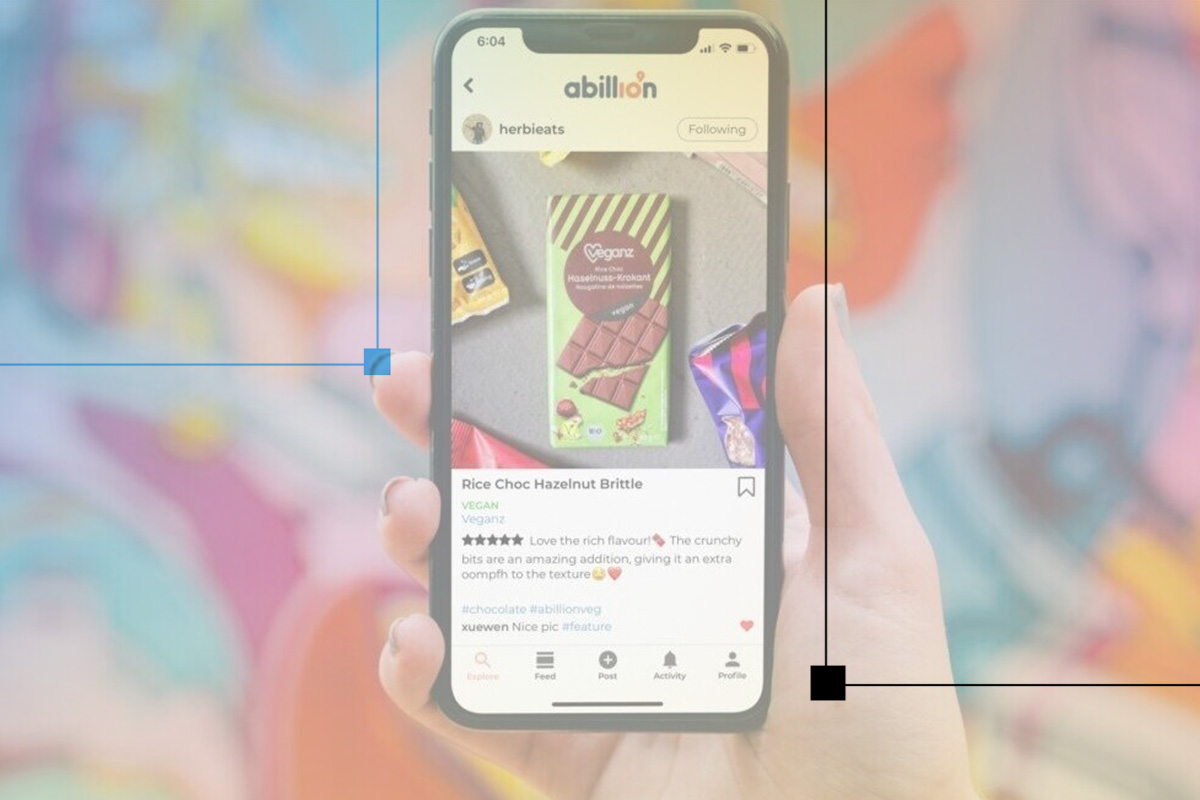
Leveraging User-Generated Content for Lifestyle Sales is an innovative approach that taps into the creativity and authenticity of consumers. In today’s digital marketplace, the voices of everyday users have become powerful marketing tools that can significantly influence purchasing decisions. Brands that embrace user-generated content can foster a sense of community, enhance customer loyalty, and ultimately increase sales. This introduction sets the stage for exploring the importance of leveraging these voices in lifestyle sales.
In the current landscape, where consumers crave authenticity and relatability, user-generated content offers a unique opportunity for brands to connect with their audience. By showcasing real experiences and perspectives, businesses can create a more genuine narrative that resonates with potential buyers. The effective use of this content not only promotes products but also builds trust and credibility, making it a vital strategy for success in lifestyle marketing.
As we navigate the complexities of the 21st century, one aspect of our lives has undergone a significant transformation: the way we work. Remote work, once considered a luxury or a temporary solution, has become a mainstream model that is reshaping the employment landscape.
The Origins of Remote Work
The concept of remote work isn’t entirely new. It has been around for several decades, often associated with freelancers or entrepreneurs who operated from home offices or coffee shops. However, it was the advent of technology, particularly the internet and cloud computing, that made working from anywhere a viable option for a broader audience.
Before the COVID-19 pandemic in 2020, many companies had already started to explore flexible working arrangements. Yet, the global health crisis acted as a catalyst, compelling organizations to adapt rapidly to remote work. Businesses had to pivot their operations overnight, leading to an unprecedented shift in how we perceive traditional office environments.
The Benefits of Remote Work
For employees, remote work offers a myriad of advantages. One of the most significant benefits is the elimination of commuting. Without the daily grind of traffic or crowded public transport, employees can reclaim valuable time that can be spent on personal projects, family, or simply enjoying a more leisurely morning. This flexibility often leads to enhanced work-life balance, improving overall job satisfaction.
Moreover, remote work can increase productivity. Studies have shown that many employees tend to be more focused and efficient when working from home. The comforts of a personalized working environment, coupled with fewer office distractions, can lead to higher output and increased job performance.
From an employer’s perspective, remote work can result in cost savings. Companies can reduce overhead costs associated with maintaining physical office spaces, such as rent, utilities, and office supplies. Furthermore, organizations that embrace remote work have access to a wider talent pool, unbound by geographical limitations. This inclusivity can lead to a more diverse workforce and innovative ideas.
Challenges of Remote Work: Leveraging User-Generated Content For Lifestyle Sales
The Future of Remote Work
As we look ahead, the future of remote work appears promising. Many companies are adopting hybrid models, combining remote and in-office work to create a flexible environment that caters to the diverse needs of their workforce. This approach can help balance the benefits of remote work while still fostering in-person collaboration and team spirit.
Furthermore, advancements in technology will continue to play a crucial role in shaping the remote work experience. Tools for virtual communication, project management, and collaboration are evolving rapidly, making it easier for teams to stay connected and productive, regardless of their physical location.
Conclusion
The rise of remote work marks a significant shift in the employment landscape. As we continue to adapt to this new way of working, it is essential for both employers and employees to embrace the changes and find solutions that work for everyone. By leveraging technology, prioritizing employee well-being, and fostering a culture of communication, we can navigate this new era of remote work with success.
Frequently Asked Questions
What is user-generated content?
User-generated content refers to any form of content, such as reviews, photos, and videos, created by consumers rather than brands, showcasing their experiences with a product or service.
How can brands encourage user-generated content?
Brands can encourage user-generated content through contests, social media campaigns, and by creating dedicated hashtags that invite consumers to share their experiences.
What are the benefits of using user-generated content?
The benefits include increased authenticity, enhanced customer trust, improved engagement rates, and a cost-effective way to generate marketing materials.
Can user-generated content improve sales?
Yes, user-generated content can improve sales by creating relatable and trustworthy narratives that resonate with potential customers, ultimately influencing their purchasing decisions.
How do brands ensure quality in user-generated content?
Brands can ensure quality by providing clear guidelines for submissions, curating the best content for use, and maintaining a strong brand identity throughout.