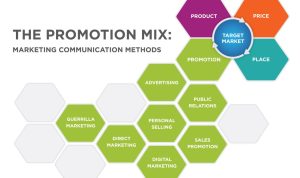
Partnering with Retailers for Tech Product Distribution sets the stage for an enthralling exploration of how tech companies can effectively collaborate with retailers to enhance product reach and customer engagement. In today’s rapidly evolving marketplace, the synergy between technology providers and retail partners is more crucial than ever. This partnership not only streamlines distribution but also amplifies brand visibility, enabling tech products to reach a wider audience through established retail channels.
Through this collaboration, businesses can leverage retailers’ market knowledge and customer relationships, ensuring that their products are strategically positioned to meet consumer needs. This overview will delve into the various strategies, benefits, and challenges associated with forming these vital partnerships, illuminating the path to successful tech product distribution.
In today’s fast-paced world, the importance of effective communication cannot be overstated. Whether it’s in a professional setting, social gatherings, or even casual conversations, the ability to convey thoughts clearly and efficiently can make a significant difference. Let’s delve into why communication is vital, explore some key components of effective communication, and provide tips to enhance your skills in this area.To start with, it is essential to understand what communication truly is.
At its core, communication is the process of sharing information, ideas, thoughts, and feelings between individuals or groups. It involves not only speaking but also listening, understanding, and responding appropriately. This exchange can occur through various channels, including verbal, non-verbal, written, and visual forms. Each mode of communication has its own nuances, which contributes to how information is perceived and understood.The significance of communication extends beyond mere information sharing.
It plays an integral role in building relationships, fostering collaboration, and facilitating understanding among people. In professional environments, strong communication skills can lead to increased productivity, better teamwork, and improved morale. Conversely, poor communication can result in misunderstandings, conflicts, and a breakdown of relationships, whether personal or professional.One of the foundational elements of effective communication is clarity. When conveying a message, it is crucial to be as clear and concise as possible.
Avoid jargon or overly complex language that might confuse your audience. Instead, aim for straightforward language that conveys your point without unnecessary embellishments. For instance, if you’re discussing a project at work, instead of saying, “We need to optimize our workflow to bolster efficiency,” you could say, “We need to find ways to work faster and better.”Another key component is active listening.
Communication is a two-way street, and listening is just as important as speaking. Active listening involves fully focusing on the speaker, understanding their message, and responding thoughtfully. This not only demonstrates respect but also ensures that you grasp the information being communicated. To practice active listening, give the speaker your full attention, avoid interrupting, and paraphrase their message to confirm your understanding.
For example, you might say, “So what you’re saying is…,” which shows that you are engaged and value their input.Non-verbal cues are also an essential aspect of effective communication. Body language, facial expressions, and gestures can all impact how your message is received. For example, maintaining eye contact can demonstrate confidence and sincerity, while crossed arms may signal defensiveness or disinterest.
Being mindful of these non-verbal signals can enhance your ability to communicate effectively. Additionally, pay attention to the non-verbal cues of others, as they can provide valuable insights into how your message is being received.In written communication, clarity and tone are equally important. Whether you’re drafting an email, report, or social media post, consider your audience and the context of your message.
Use a tone that matches the situation—formal for professional correspondence and more relaxed for personal communication. Always proofread your writing to eliminate grammatical errors and ensure that your message is coherent. Remember, well-written communication reflects professionalism and attention to detail.Furthermore, adapting your communication style to suit different audiences is crucial. Not everyone communicates the same way, and understanding your audience’s preferences can significantly improve your interactions.
For example, when talking to a colleague, you might use industry-specific terminology that they understand. However, when discussing the same topic with someone outside your field, it may be beneficial to simplify your language. This adaptability shows that you value the other person’s perspective and are willing to meet them halfway.Feedback is another vital aspect of effective communication. Giving and receiving feedback constructively can help improve relationships and foster growth.
When providing feedback, focus on specific behaviors rather than personal attributes, and use “I” statements to express your feelings. For example, instead of saying, “You did a poor job on that presentation,” you could say, “I felt that the presentation lacked clarity in some areas.” This approach is more likely to be received positively and encourages further dialogue.On the flip side, when receiving feedback, it is essential to remain open-minded and avoid becoming defensive.
Instead of immediately countering the feedback, take a moment to reflect on it and ask clarifying questions if needed. This demonstrates that you are receptive to improvement and value the other person’s perspective. Remember that feedback is an opportunity for growth, not a personal attack.Technology has also transformed the way we communicate in recent years. With the rise of social media, instant messaging, and video conferencing, communication has become faster and more accessible than ever.

While these tools offer convenience, it is essential to use them wisely. Be mindful of your tone and the potential for misinterpretation in written messages. When using digital platforms, consider the context and ensure that your message aligns with your intentions.In conclusion, effective communication is an essential skill that impacts every aspect of our lives. By focusing on clarity, active listening, non-verbal cues, adaptability, and constructive feedback, you can enhance your communication abilities and foster better relationships.
Remember, communication is not just about expressing your thoughts but also about understanding and connecting with others. In a world where communication is increasingly digital, the ability to convey messages effectively is more important than ever. So take the time to hone your skills, and you’ll find that your personal and professional relationships flourish as a result.
Question Bank: Partnering With Retailers For Tech Product Distribution
Why is partnering with retailers important for tech products?
Partnering with retailers allows tech companies to leverage established customer bases and market expertise, increasing product visibility and accessibility.
What are the common challenges faced in these partnerships?
Challenges include aligning marketing strategies, managing inventory, and navigating differing company cultures.
How can tech companies choose the right retail partners?
Tech companies should assess potential partners based on market reach, customer demographics, and alignment with their brand values and goals.
What role does technology play in these partnerships?
Technology facilitates better communication, inventory management, and data analysis, enhancing the efficiency and effectiveness of retail partnerships.
How can success be measured in retail partnerships?
Success can be measured through sales growth, customer engagement metrics, and the effectiveness of marketing campaigns influenced by the partnership.