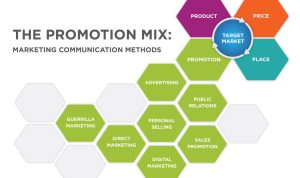
Selling Home Decor in International Markets takes center stage as we explore the dynamic landscape of home decor sales across borders. With the rise of globalization and e-commerce, an increasing number of businesses are tapping into international markets to expand their reach and boost revenue. Understanding the nuances of these markets, from cultural preferences to unique design trends, is essential for success.
This journey reveals not only the potential for profit but also the opportunities for cultural exchange and innovation in home decor.
In today’s fast-paced digital world, the importance of maintaining a healthy work-life balance cannot be understated. As technology continues to evolve, the boundaries between work and personal life have become increasingly blurred. With the rise of remote work and the constant connectivity offered by smartphones and other devices, individuals often find themselves struggling to separate their professional responsibilities from their personal lives.
This article delves into the various aspects of work-life balance, exploring its significance, the challenges faced in achieving it, and practical tips to help maintain equilibrium in our increasingly demanding lives. Understanding Work-Life BalanceWork-life balance refers to the equilibrium between the time and energy one devotes to their professional responsibilities and personal pursuits. A healthy work-life balance benefits not only the individual but also their employers, as it often leads to higher job satisfaction, increased productivity, and reduced stress levels.
However, achieving this balance can be daunting in a society that often glorifies overwork and constant availability. The Importance of Work-Life Balance
1. Mental and Physical Health

One of the most compelling reasons to pursue a healthy work-life balance is the positive impact it has on mental and physical health. Chronic stress resulting from an imbalanced lifestyle can lead to a myriad of health issues, including anxiety, depression, and heart disease. Prioritizing personal time allows individuals to recharge, reducing the risk of burnout and promoting overall well-being.
2. Improved Relationships
When work consumes most of our time, personal relationships can suffer. Whether it’s spending quality time with family, catching up with friends, or engaging in social activities, nurturing personal connections is essential for emotional health. A good work-life balance allows individuals to build and maintain meaningful relationships, which in turn contributes to their happiness and fulfillment.
3. Increased Productivity
Contrary to the belief that longer hours equate to increased productivity, research shows that employees who maintain a healthy work-life balance tend to be more productive. When individuals have time to rest and engage in activities they enjoy, they return to work feeling refreshed and ready to tackle challenges with renewed energy and focus.
4. Enhanced Job Satisfaction
Employees who achieve a balance between their work and personal lives are often more satisfied with their jobs. They feel valued and respected, leading to higher levels of engagement and commitment to their work. Organizations that promote a healthy work-life balance can benefit from lower turnover rates and a more motivated workforce. Challenges in Achieving Work-Life BalanceDespite the clear benefits of maintaining work-life balance, many individuals encounter challenges in their pursuit of it.
Some common obstacles include:
1. Technology and Connectivity
While technology has made remote work possible, it has also made it difficult to “switch off” from work. The expectation to be constantly available through emails and messaging apps can blur the lines between professional and personal time.
2. Workplace Culture
In some organizations, a culture that rewards overworking and being perpetually busy can make it challenging for employees to prioritize their personal lives. Employees may feel pressured to conform to these expectations, sacrificing their well-being in the process.
3. Poor Time Management
Many individuals struggle with time management, leading to an imbalance between work and personal life. Procrastination, poor organization, and a lack of prioritization can result in longer work hours and insufficient time for personal activities.
4. Career Ambitions and Financial Pressures
The desire to climb the corporate ladder or the need to meet financial obligations can lead individuals to prioritize work over personal time. This ambition, while commendable, can strain personal relationships and adversely affect health. Practical Tips for Achieving Work-Life BalanceAchieving work-life balance is not a one-size-fits-all approach; it requires effort and commitment. Here are some practical tips to help individuals maintain a healthier balance:
1. Set Boundaries
Establish clear boundaries between work and personal time. This may include setting specific work hours and sticking to them, as well as creating physical spaces dedicated to work and leisure. Communicating these boundaries to colleagues and family members is equally important.
2. Prioritize Tasks
Use tools such as to-do lists or digital planners to prioritize tasks effectively. Focusing on high-priority tasks can help individuals manage their time better and avoid unnecessary overtime.
3. Embrace Technology Wisely
While technology can be a double-edged sword, using it wisely can enhance work-life balance. Utilize productivity apps to streamline tasks, but also learn to disconnect from work-related communications during personal time.
4. Schedule Personal Time
Just as one schedules work meetings, it is essential to schedule personal activities and downtime. Whether it’s a family outing, exercise, or simply time to relax, treating personal time as a commitment fosters a healthier balance.
5. Practice Self-Care
Engaging in self-care activities such as exercise, meditation, or hobbies can significantly improve mental and physical well-being. Investing time in oneself is crucial for maintaining the energy needed for both work and personal life.
6. Seek Support
If achieving work-life balance feels overwhelming, don’t hesitate to seek support from family, friends, or even professional counselors. Sharing experiences and seeking advice can provide valuable insights and encouragement.
7. Be Flexible
Life is unpredictable, and rigid routines can sometimes lead to added stress. Being adaptable and allowing for shifts in plans can help individuals navigate unexpected challenges without feeling overwhelmed.
8. Reflect and Adjust
Regularly reflecting on one’s work-life balance is vital for long-term success. Taking stock of what’s working and what isn’t allows for necessary adjustments, ensuring that balance is maintained over time. ConclusionIn conclusion, achieving a healthy work-life balance is essential for overall well-being in today’s demanding world. By understanding the importance of balance, recognizing the challenges we face, and implementing practical strategies, individuals can cultivate a lifestyle that promotes happiness, health, and productivity.
While the journey to finding the right balance may be unique for everyone, the rewards are undeniable—enhanced mental and physical health, improved relationships, and greater job satisfaction. Embrace the effort to achieve balance; your future self will thank you.
Questions Often Asked: Selling Home Decor In International Markets
What are the key challenges in selling home decor internationally?
Key challenges include understanding cultural preferences, adapting marketing strategies, managing shipping logistics, and dealing with different regulations and tariffs.
How can I identify the right markets for my home decor products?
Researching market trends, consumer behavior, and demographic data, as well as testing product demand through small-scale launches, can help identify suitable markets.
What role does social media play in international home decor sales?
Social media is crucial for building brand awareness, engaging with customers, and showcasing products through visual content, making it an effective marketing tool in international markets.
Should I consider local partnerships when selling internationally?
Yes, local partnerships can provide valuable insights into market preferences, enhance distribution channels, and build credibility with local consumers.
How can I ensure quality control when selling overseas?
Implementing strict quality control measures and working with reliable suppliers can help maintain product standards and customer satisfaction in international markets.