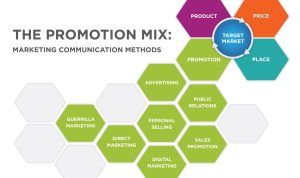
Local vs. Global Health Product Marketing dives into the critical differences and similarities in strategies used to market health products across various regions. As globalization continues to reshape the landscape of healthcare, understanding how local nuances influence marketing approaches becomes essential. This exploration sheds light on how cultural contexts and consumer behaviors vary, ultimately affecting the effectiveness of marketing campaigns.
From tailored messaging that resonates with local audiences to the broad reach of global campaigns, navigating these dynamics is key for success in the health product market. Marketers must consider the distinct regulatory environments, cultural sensitivities, and competitive landscapes that define local and global strategies.
In today’s fast-paced world, where technology is advancing at an unprecedented rate, the impact of social media on our lives cannot be overstated. Social media platforms have transformed the way we communicate, share information, and even conduct business. With billions of users across various platforms such as Facebook, Twitter, Instagram, and LinkedIn, social media has become an integral part of our daily routines.
This article delves into the multifaceted role of social media in modern society, exploring its benefits, challenges, and the implications for our future.One of the most significant advantages of social media is its ability to foster connections. People can maintain relationships with family and friends across great distances, share experiences, and stay updated on each other’s lives. Social media platforms offer a unique space for individuals to express themselves, share their hobbies, and connect with like-minded individuals.
This has led to the rise of numerous online communities where people can collaborate and support one another in various interests, from art and music to fitness and travel.Moreover, social media serves as a powerful tool for businesses and brands. Companies can use these platforms to reach a wider audience, engage with customers, and promote their products or services. Social media marketing has become a cornerstone of many businesses’ strategies, allowing for targeted advertising and real-time feedback from consumers.
This direct line of communication has enabled brands to build more personalized relationships with their customers, leading to increased loyalty and trust.In addition to personal and business connections, social media has also played a critical role in social movements and awareness campaigns. From the Arab Spring to the #MeToo movement, social media has provided a platform for individuals to voice their opinions, raise awareness about injustices, and mobilize support for various causes.
This democratization of information has empowered individuals, enabling them to challenge the status quo and advocate for change.However, the rise of social media is not without its challenges. One major concern is the spread of misinformation and fake news. The ease with which information can be shared on social media means that false narratives can quickly gain traction, leading to confusion and division.
This has significant implications for public discourse and democracy, as individuals may struggle to discern fact from fiction in an age of information overload.Another pressing issue is the impact of social media on mental health. While these platforms can foster connections, they can also lead to feelings of isolation, anxiety, and depression. Studies have shown that excessive social media use can result in negative self-esteem, particularly among younger individuals who may compare themselves to curated versions of others’ lives.
The pressure to maintain a certain image online can be overwhelming, leading to detrimental effects on one’s mental well-being.Furthermore, privacy concerns have become a hot topic in the realm of social media. Users often share personal information without fully understanding the implications of their digital footprints. Data breaches and misuse of personal information by companies have raised alarms about the security of our online presence.
It is crucial for individuals to be informed and proactive about their privacy settings and the information they share on these platforms.Looking ahead, the future of social media is likely to be shaped by advancements in technology and evolving user preferences. As augmented reality (AR) and virtual reality (VR) technologies continue to develop, we may see a shift in how social media platforms engage users.
These immersive experiences could enhance our interactions, making them more dynamic and engaging. Additionally, the integration of artificial intelligence (AI) may lead to more personalized content and advertisements, further tailoring the social media experience to individual preferences.In conclusion, social media is a double-edged sword, offering both advantages and challenges. It has connected us in ways we never thought possible, allowing for a global exchange of ideas and fostering communities.
However, it also poses significant risks related to misinformation, mental health, and privacy. As we navigate this ever-evolving landscape, it is essential for users to remain informed, practice responsible sharing, and advocate for their rights in the digital realm. With awareness and intentionality, we can harness the power of social media while mitigating its downsides, ensuring that it serves as a force for good in our lives and society at large.
Detailed FAQs: Local Vs. Global Health Product Marketing
What are the main differences between local and global marketing?
The main differences lie in the approach: local marketing focuses on specific regional needs and cultural nuances, while global marketing adopts a broader strategy that seeks to appeal to a wider audience across multiple markets.
How important is cultural understanding in health product marketing?

Cultural understanding is crucial, as it influences consumer behavior, preferences, and the effectiveness of messaging in marketing campaigns.
What role does regulation play in health product marketing?
Regulation significantly affects how health products can be marketed, varying widely from one country to another and necessitating compliance with local laws and guidelines.
Can a global brand succeed in local markets?
Yes, a global brand can succeed in local markets by tailoring its marketing strategies to resonate with local consumers while maintaining its core brand identity.
What are some challenges in transitioning from local to global marketing?
Challenges include navigating different regulatory environments, understanding diverse consumer behaviors, and adapting marketing messages to fit various cultural contexts.