The Future of Digital Insurance Product Sales is quickly evolving, driven by technology and changing consumer behaviors. As more individuals turn to online platforms for their insurance needs, understanding this shift becomes essential for industry players. The digital landscape offers unprecedented opportunities, yet it also presents challenges that require innovative solutions and adaptability.
This transformation is not just about technology but also about how companies engage with customers, personalize offerings, and improve service efficiency. From AI-driven chatbots to seamless online transactions, the realm of digital insurance sales is reshaping the way products are marketed and sold, promising a more streamlined and customer-centric experience.
In today’s fast-paced world, understanding the intricacies of various cultures and lifestyles is more important than ever. This article aims to explore the fascinating world of culinary traditions, which not only reflect a region’s history but also its social values. We will delve into how food connects people, transcending borders and creating bonds that go beyond mere sustenance. Culinary traditions are more than just the recipes passed down through generations.
They are a tapestry woven from the threads of history, geography, and climate. For example, consider the Mediterranean diet, which emphasizes fruits, vegetables, whole grains, and healthy fats. This diet is not only known for its health benefits but also reflects the agricultural abundance of the region. The sea, the sun, and the rich soil contribute to a cuisine that is both diverse and harmonious.In contrast, Northern European cuisines tend to be heartier, often featuring ingredients like potatoes, root vegetables, and meats.
This is largely due to the harsher climates these regions experience, where growing seasons are shorter and preserving food becomes essential. The use of techniques such as pickling, smoking, and fermenting can be traced back to the need for survival, transforming basic ingredients into flavorful staples that have stood the test of time.When we talk about culinary traditions, it’s also essential to consider the role of communal eating.
Many cultures have rituals surrounding food that emphasize togetherness. For instance, in Ethiopia, meals are often served on a large communal plate, where diners use injera, a sourdough flatbread, to scoop up various stews. This practice not only fosters a sense of community but also signifies sharing, respect, and hospitality.Similarly, in Japan, the concept of ‘omotenashi’ is deeply embedded in the culinary experience.
It refers to the spirit of selfless hospitality and is reflected in the meticulous presentation of dishes, the seasonal ingredients used, and the overall dining experience. Japanese cuisine emphasizes balance, using color, texture, and taste to create an aesthetically pleasing and harmonious meal.Moreover, the globalization of food has led to the fusion of various culinary traditions, resulting in innovative dishes that reflect a blend of cultures.
Think about the popularity of sushi burritos or taco pizzas; these dishes showcase how culinary boundaries can be crossed, offering new experiences for the palate. Such innovations raise questions about authenticity and cultural appropriation, sparking discussions about who gets to claim ownership over certain foods.Food also acts as a powerful identifier of cultural heritage. For many immigrant communities, traditional foods serve as a link to their homeland, providing comfort and familiarity in a new environment.
Family recipes often become treasured heirlooms, passed down through generations, each iteration bringing with it stories and memories. The act of cooking and sharing these meals can evoke nostalgia and foster a sense of identity among individuals who may feel disconnected from their roots.Furthermore, food can be a vehicle for storytelling. Each dish carries with it a narrative that reflects the experiences of those who prepare and share it.
A simple bowl of pasta, for instance, might bring to mind memories of family gatherings in Italy, while a spicy curry could evoke the vibrant streets of India. These stories are integral to the culinary experience, enriching our understanding of the dish beyond its ingredients.As we examine culinary traditions, it’s crucial to acknowledge the impact of modern challenges such as climate change and globalization on these practices.
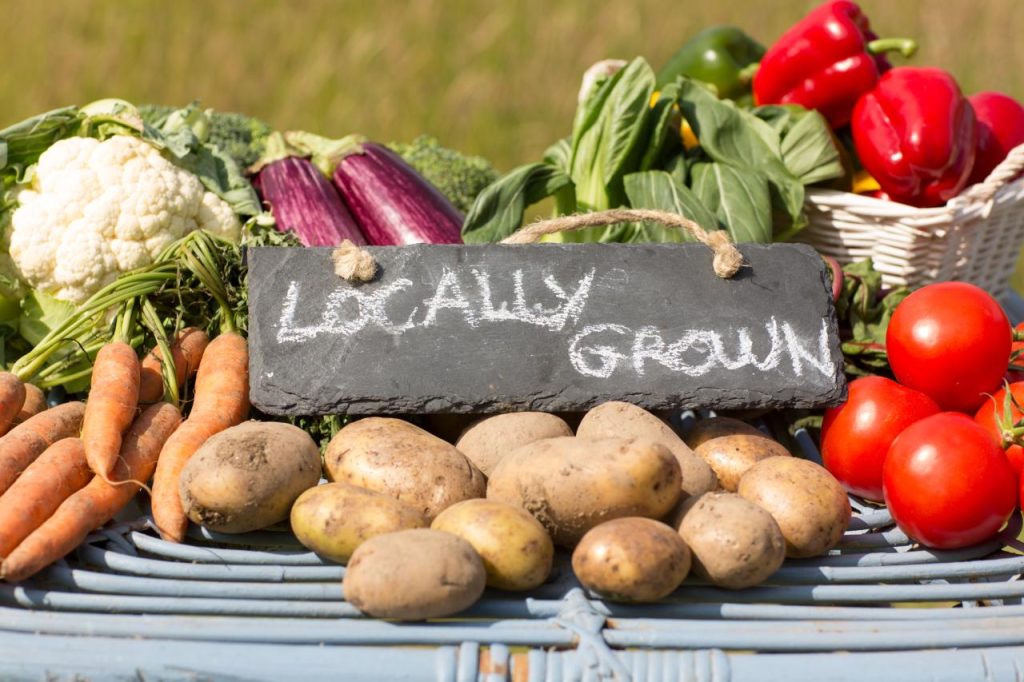
Many traditional farming methods are under threat, as industrial agriculture dominates the landscape. This shift not only affects the biodiversity of crops but also the cultural practices associated with food production. Sustainable practices are becoming increasingly necessary to preserve both the environment and the culinary traditions that rely on it.Local food movements are gaining traction as a response to these challenges.
Farmers’ markets, community-supported agriculture (CSA), and farm-to-table restaurants are on the rise, emphasizing the importance of supporting local economies and reducing the carbon footprint associated with food transportation. These initiatives not only promote sustainability but also reconnect consumers with the origins of their food, fostering a greater appreciation for culinary traditions.In addition, the rise of technology and social media has transformed how we experience and share food.
Platforms like Instagram have created a new avenue for food lovers to showcase their culinary creations, discover new recipes, and connect with others who share their passions. This digital landscape allows for the exchange of ideas, styles, and traditions, creating a global community centered around the love of food. However, it’s essential to approach this digital sharing with mindfulness. As we celebrate the diversity of culinary traditions, we must also be respectful of their origins.
This means recognizing the cultural significance of certain dishes and avoiding the commodification of food that can diminish its value to the communities from which it originates. In conclusion, culinary traditions are a vital part of our cultural heritage, reflecting our histories, values, and social connections. They are a source of identity, community, and creativity. As we continue to navigate the complexities of globalization and modernization, it’s crucial to honor and preserve these traditions while adapting to the changing world around us.
By doing so, we not only enrich our own lives but also contribute to a more diverse and vibrant global food culture. Whether we are savoring a traditional dish passed down through generations or experimenting with new flavors and techniques, let us remember the stories, people, and cultures that shape our culinary experiences. After all, food is not just about nourishment; it’s about connection, celebration, and the shared human experience.
FAQ Corner: The Future Of Digital Insurance Product Sales
What are the key trends in digital insurance sales?
Key trends include increased automation, personalized customer experiences, and the integration of AI and data analytics for better decision-making.
How does technology improve customer experience in insurance?
Technology enhances customer experience through streamlined processes, faster claim handling, and personalized product recommendations based on data analysis.
What challenges do companies face in digital insurance sales?
Challenges include data privacy concerns, regulatory compliance, and the need to keep up with rapid technological changes.
How can companies ensure they remain competitive?
Companies can stay competitive by embracing innovation, investing in technology, and focusing on customer feedback to enhance their offerings.
What role does data play in digital insurance sales?

Data plays a crucial role by enabling targeted marketing, risk assessment, and the personalization of insurance products to meet customer needs.