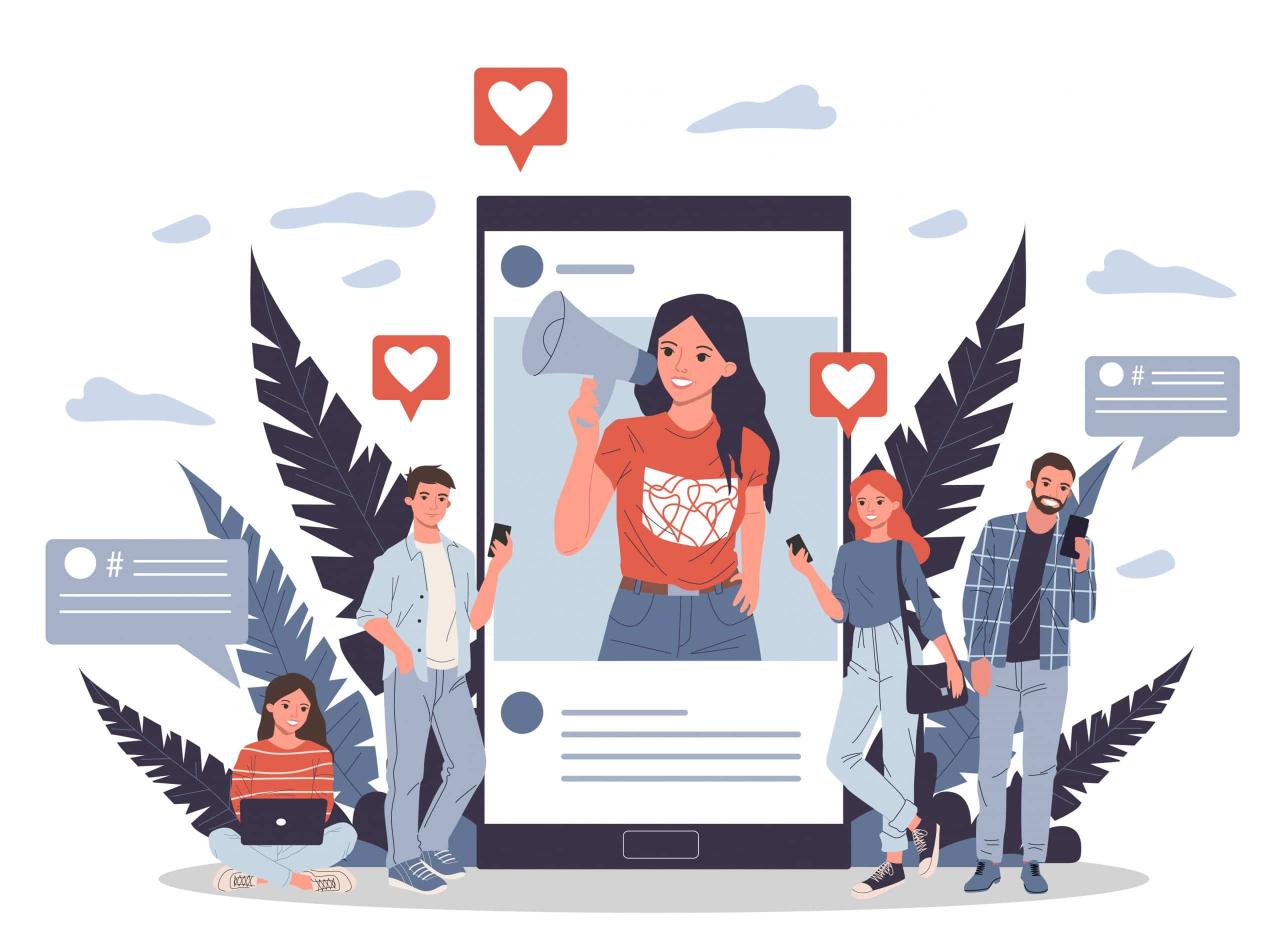
Leveraging Influencers in Health Product Marketing is an exciting frontier in the realm of wellness and consumer engagement. As social media platforms continue to shape consumer behaviors, the presence of influencers has become pivotal in how health products are perceived and promoted. Brands are increasingly turning to these digital personalities to reach wider audiences, build credibility, and drive sales in a competitive market.
This approach not only enhances brand visibility but also fosters a sense of connection and trust between consumers and products. Influencers, with their authentic narratives and personal experiences, can effectively communicate the benefits of health products, making them more relatable and appealing to potential customers.
In today’s fast-paced digital world, the importance of effective communication cannot be overstated. Whether in a professional setting or personal interactions, the way we convey our thoughts and ideas can significantly impact relationships and outcomes. This article explores the nuances of communication, focusing on key components that contribute to effective dialogue.### Understanding CommunicationCommunication is the process of transferring information from one entity to another.
This can occur through various channels, including verbal, non-verbal, written, and visual methods. Each of these channels plays a vital role in how messages are constructed and interpreted. #### Verbal CommunicationVerbal communication refers to the use of spoken or written words to convey messages. This form of communication can be further categorized into two types: formal and informal.
1. Formal Communication
This occurs in professional settings, where the language is structured, and messages are delivered in a respectful manner. Examples include business meetings, presentations, and official correspondences. The main goal here is to convey information clearly and concisely.
2. Informal Communication
This is more casual and often occurs in personal settings. It includes conversations with friends, family, or colleagues in a relaxed environment. While still important, informal communication allows for a more relaxed tone and can foster a greater sense of connection among individuals.Effective verbal communication often involves active listening, where the listener engages with the speaker by providing feedback, asking questions, and reflecting on the message conveyed.
#### Non-Verbal CommunicationNon-verbal communication encompasses all the ways we convey messages without using words. This includes body language, facial expressions, gestures, posture, and eye contact. Non-verbal cues can often communicate more than verbal language, as they can express emotions and attitudes that words alone may not fully capture. For instance, maintaining eye contact can show confidence and attentiveness, while crossed arms may signal defensiveness or discomfort.
Understanding these cues is essential, as they can significantly affect how messages are perceived and understood.### The Role of Written CommunicationWritten communication is a critical aspect of both personal and professional interactions. It allows for the documentation of information and ideas, making it a permanent record that can be referenced later.
1. Clarity and Conciseness
When writing, it is essential to be clear and concise. This means avoiding jargon and overly complex sentences, which can confuse the reader. The goal should be to convey the message in a straightforward manner that is easy to understand.
2. Tone and Style
The tone of written communication can greatly impact how the message is received. A formal email to a supervisor will differ in tone from a text message to a friend. Adjusting the tone based on the audience is key to effective written communication.
3. Proofreading
Before sending any written correspondence, it’s crucial to proofread for grammatical errors, typos, and unclear phrases. This not only enhances clarity but also reflects professionalism and attention to detail.### The Impact of Technology on CommunicationThe rise of technology has transformed the way we communicate. With the advent of social media, instant messaging, and video conferencing, the landscape of communication has evolved dramatically.
#### Social MediaPlatforms like Twitter, Facebook, and LinkedIn have significantly altered how we interact with one another. These platforms allow for instant communication across great distances, enabling individuals to connect with others around the world. However, while social media can foster connections, it can also lead to misunderstandings due to the lack of non-verbal cues.#### Instant MessagingInstant messaging apps such as WhatsApp, Slack, and Messenger have made communication quicker and more accessible.
These tools allow for real-time conversations, which can enhance collaboration and efficiency in both personal and professional contexts. However, it is important to remember that the tone can easily be misinterpreted in written form, so clarity is crucial.#### Video ConferencingTools like Zoom and Microsoft Teams have become essential for remote work and communication. Video conferencing allows for face-to-face interactions even when individuals are miles apart.
This form of communication helps to restore some of the non-verbal cues that are often lost in written or audio-only formats.### Barriers to Effective CommunicationDespite the many advantages of modern communication methods, several barriers can hinder effective dialogue.
1. Language Differences
Language barriers can create misunderstandings and lead to confusion. It is essential to be mindful of this, especially in diverse environments where multiple languages may be spoken.
2. Cultural Differences
Different cultures have varying norms and expectations regarding communication. What may be considered polite in one culture could be perceived as rude in another. Understanding and respecting these differences is crucial to fostering effective communication.
3. Emotional Barriers
Emotional states can greatly influence how messages are delivered and received. Stress, anxiety, and anger can cloud judgment and impair communication. Learning to manage emotions can improve clarity and understanding.
4. Distractions
In our increasingly busy lives, distractions are everywhere. Whether it’s notifications from our phones or background noise, these distractions can impede our ability to listen and engage fully. Creating an environment conducive to communication is vital for effective dialogue.### Strategies for Improving Communication SkillsImproving communication skills is a lifelong journey. Here are some practical strategies to enhance your communication abilities:
1. Practice Active Listening
Focus on being present during conversations. Avoid interrupting and ensure you are fully engaged with the speaker.
2. Seek Feedback
Encourage others to provide feedback on your communication style. Understanding how others perceive your messages can help identify areas for improvement.
3. Expand Your Vocabulary
A broader vocabulary allows you to express yourself more clearly and effectively. Reading regularly can help enhance your language skills.
4. Be Mindful of Body Language
Pay attention to your non-verbal cues and those of others. Being aware of body language can improve both your understanding and your ability to convey messages.
5. Adjust Your Communication Style
Recognize that different situations and audiences may require different communication styles. Be flexible and willing to adapt as needed.### ConclusionEffective communication is an essential skill that can profoundly impact both personal and professional relationships. By understanding the various forms of communication, recognizing barriers, and actively working to improve our abilities, we can foster more meaningful connections and enhance our interactions.
Whether through verbal, non-verbal, or written forms, the goal remains the same: to convey information clearly and foster understanding. As we navigate this ever-evolving landscape of communication, let us prioritize clarity, empathy, and connection in our interactions.
FAQ Compilation: Leveraging Influencers In Health Product Marketing
What is influencer marketing in health products?
Influencer marketing in health products involves partnering with social media personalities to promote health-related items, leveraging their reach and credibility to connect with potential consumers.
How do influencers impact consumer trust?
Influencers can significantly impact consumer trust by sharing authentic experiences and testimonials, making health products more relatable and credible to their followers.
What platforms are best for influencer marketing in health?
Platforms like Instagram, TikTok, and YouTube are highly effective for influencer marketing in health, as they allow for visual storytelling and direct engagement with audiences.
How can brands choose the right influencers?
Brands should consider influencers’ audience demographics, engagement rates, and relevance to the health niche when selecting partners for their marketing campaigns.
What metrics should brands track in influencer campaigns?
Brands should track metrics such as engagement rates, reach, conversions, and return on investment (ROI) to evaluate the effectiveness of their influencer marketing campaigns.