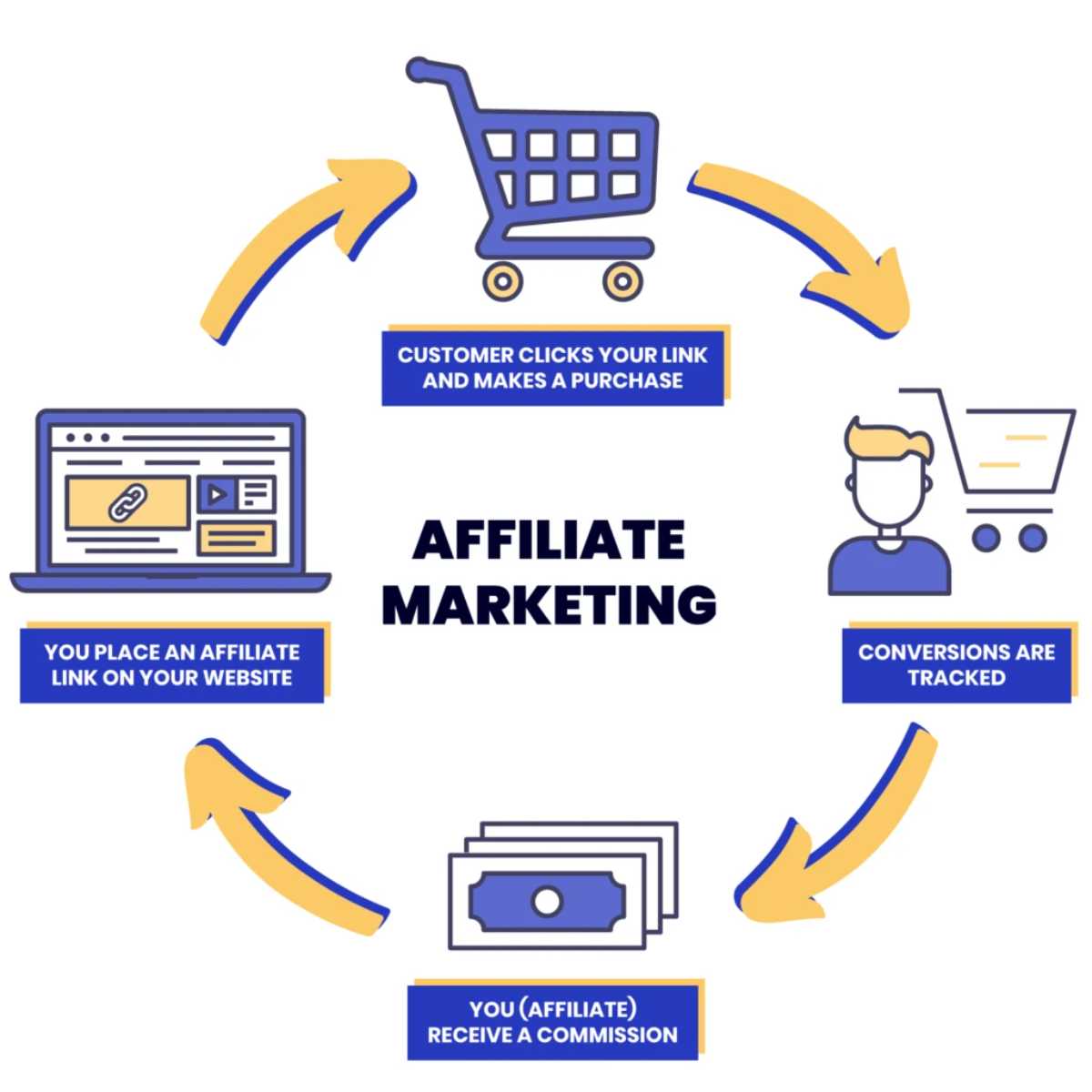
Affiliate Marketing Programs for Insurance Sales present a dynamic way for agents and companies to boost their revenue while leveraging the power of partnerships. In an industry as competitive as insurance, finding innovative methods to reach potential clients is crucial. These programs not only provide an additional income stream but also enhance brand visibility in the market.
With the rise of digital platforms, affiliate marketing has transformed the traditional sales approach, offering a win-win scenario for both affiliates and insurance providers. This introduction sets the stage for exploring how these programs work, their benefits, and what to consider when getting involved.
In today’s fast-paced world, the importance of effective communication cannot be overstated. It serves as the backbone of our personal and professional lives, shaping relationships and driving success. Whether you’re drafting a simple email, presenting a project, or having a casual chat with friends, the way we communicate can significantly impact our interactions. As we delve into the nuances of communication, it’s important to recognize that it is not just about the words we use; it encompasses tone, body language, and even our choice of medium.
Each of these elements plays a crucial role in conveying our message clearly and effectively. One of the key aspects of effective communication is clarity. When communicating, our primary goal should be to ensure that our message is understood as intended. This means using straightforward language, avoiding jargon, and being as specific as possible. For example, imagine you’re explaining a complex concept to someone unfamiliar with the topic.
Instead of bombarding them with technical terms, break it down into simpler ideas. This not only makes it easier for them to grasp but also shows respect for their perspective.Another vital component is active listening. This means fully engaging with the person speaking, not just passively hearing their words. Active listening involves nodding, making eye contact, and interjecting with relevant questions or comments to show that you are involved in the conversation.
This practice fosters a deeper connection and ensures that both parties feel valued. When people feel heard, they are more likely to reciprocate, leading to more productive dialogues.Tone also plays a significant role in how our messages are received. A friendly tone can make a simple message feel warm and inviting, whereas a harsh tone can put someone on the defensive.
It’s essential to be mindful of our tone, especially in written communication, where the absence of vocal inflections can lead to misunderstandings. Using emojis or exclamation points sparingly in casual communications can add a layer of warmth that text alone may lack.Additionally, non-verbal cues such as body language are crucial in face-to-face interactions. Open body language, such as uncrossed arms and a genuine smile, can create a welcoming atmosphere, encouraging the other person to engage more freely.
Conversely, closed body language can create barriers, making it difficult to establish rapport. Therefore, being aware of your own body language and that of others can greatly enhance communication efficacy.Moreover, the medium through which we communicate can also influence our interactions. In today’s digital age, we have a plethora of options, from emails and instant messaging to video calls and social media.
Each medium has its strengths and weaknesses, and choosing the right one for your message is essential. For instance, complex or sensitive discussions may be better suited for video calls or in-person meetings, where tone and body language can be effectively conveyed. In contrast, quick questions or updates might be best delivered through instant messaging.In professional settings, the stakes are often higher, and effective communication can make or break projects.
Clear communication ensures that everyone is on the same page, leading to increased productivity and fewer misunderstandings. Regular check-ins, well-structured meetings, and clear documentation can contribute to a culture of transparency and openness. Another tip for effective communication in the workplace is to encourage feedback. Creating an environment where team members feel comfortable sharing their thoughts can lead to a more dynamic exchange of ideas.
When feedback is given constructively, it can motivate individuals to improve and innovate while fostering a sense of community within the team.On a personal level, effective communication is just as crucial. Whether it’s resolving a conflict with a friend or discussing plans with family, clear communication can prevent misunderstandings and strengthen relationships. Making an effort to express your feelings honestly while also being open to others’ perspectives is key.
This balancing act can be challenging but is essential for maintaining healthy connections.One technique that can aid in personal communication is the “I” statement. Instead of saying “You never listen to me,” try framing it as “I feel unheard when you interrupt me.” This approach focuses on your feelings rather than placing blame, which can lead to more productive conversations.
Lastly, it’s important to practice patience and empathy in all forms of communication. Recognizing that everyone has their own experiences and perspectives allows for a more compassionate approach. In moments of disagreement, taking a step back to understand the other person’s point of view can prevent escalation and promote constructive dialogue.In conclusion, effective communication is a vital skill that can greatly enhance both personal and professional relationships.
By focusing on clarity, active listening, tone, and appropriate mediums, we can convey our messages more effectively. Additionally, fostering an environment of openness and empathy can lead to deeper connections and more meaningful interactions. As we navigate the complexities of communication, let’s remind ourselves of its power and strive to communicate with intention and care.
FAQ Resource: Affiliate Marketing Programs For Insurance Sales
What are Affiliate Marketing Programs for Insurance Sales?
They are arrangements where affiliates promote insurance products and earn commissions for successful sales or leads generated through their marketing efforts.
How do I get started with affiliate marketing in insurance?
To start, you need to choose an insurance affiliate program, register as an affiliate, and then begin promoting the products using provided marketing materials.
What are the benefits of joining an affiliate program?
Benefits include earning passive income, gaining access to a wider audience, and enhancing your marketing skills without significant upfront costs.
Are there any risks involved in affiliate marketing for insurance?
Yes, risks include potential legal issues if regulations are not followed, and the challenge of maintaining ethical marketing practices.
How can I effectively promote insurance affiliate products?
Utilize various channels such as social media, blogs, and email marketing while focusing on providing valuable content that resonates with your audience.