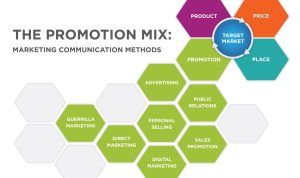
Using Social Media to Promote Health Products is a modern marketing strategy that has transformed how health brands connect with their audience. In today’s digital age, social media platforms provide unique opportunities for health product promotion, allowing brands to engage directly with consumers in an interactive manner. This approach not only enhances brand visibility but also builds trust and credibility among potential customers.
As more people turn to online communities for health advice, leveraging social media not only boosts sales but also fosters a sense of community and support around health products. Whether through informative posts, engaging videos, or influencer partnerships, the potential to reach a wider audience and drive meaningful conversations around health remains unparalleled.
The world we live in is a tapestry woven from the diverse threads of culture, history, and human experience. Each day brings with it an opportunity to explore these elements in depth, whether it be through travel, literature, or simply engaging in conversation with someone from a different background. In this article, we will embark on a journey through the rich and varied landscapes of our global community, examining the importance of cultural understanding and appreciation in our increasingly interconnected world.Cultural understanding is not just a buzzword; it is a vital skill that promotes peace, tolerance, and collaboration among people from different walks of life.
As globalization continues to shrink our world, the interaction between cultures becomes more frequent and complex. Consequently, it is essential to cultivate an awareness of and respect for the customs, beliefs, and traditions of others. This article will explore several key aspects of cultural understanding, including the significance of empathy, the role of education, and the impact of technology.Empathy serves as the cornerstone of cultural understanding.
When we put ourselves in someone else’s shoes, we gain insight into their experiences, challenges, and joys. Empathy encourages open-mindedness and helps to break down barriers that often lead to misunderstanding or conflict. For instance, consider a scenario where two individuals from different cultural backgrounds engage in a discussion about their respective traditions. If one party approaches the conversation with curiosity and a willingness to understand, the likelihood of a meaningful exchange increases significantly.
This exchange not only enriches the individuals involved but also fosters a sense of community and shared humanity.Education plays a crucial role in promoting cultural understanding. In an increasingly diverse world, educational institutions have the responsibility to prepare students to navigate a multicultural landscape. This preparation can take many forms, including curriculum development, extracurricular activities, and community outreach programs. By incorporating lessons on global history, languages, and cultural practices into the classroom, educators can equip students with the tools they need to engage thoughtfully with the world around them.Moreover, experiential learning opportunities, such as study abroad programs and cultural exchange initiatives, provide students with firsthand experiences that deepen their understanding of other cultures.
These experiences enable individuals to challenge preconceived notions and stereotypes, cultivating a more nuanced perspective on the world. For example, a student who participates in a homestay program in another country may gain insights into the local customs, cuisine, and social norms that books alone cannot convey.As technology continues to advance, it opens up new avenues for cultural exchange and understanding.
The internet has made it easier than ever to connect with people from across the globe. Social media platforms, online forums, and virtual events provide spaces for individuals to share their stories, traditions, and viewpoints. In this digital age, cultural understanding can be fostered through the simple act of following or engaging with someone from a different background on social media.

This interaction allows for the exchange of ideas and perspectives that can challenge biases and broaden horizons.However, it is important to approach these interactions with sensitivity and awareness. While technology can facilitate cultural exchange, it can also perpetuate stereotypes and misinformation. For instance, the prevalence of cultural appropriation—where elements of one culture are adopted by another, often without understanding or respect—highlights the potential pitfalls of engaging with cultures outside one’s own.
To navigate this landscape responsibly, individuals must be mindful of the historical and social contexts in which cultural elements exist and ensure that they are celebrating rather than commodifying those cultures.Furthermore, language is a powerful tool in promoting cultural understanding. Learning a new language not only allows individuals to communicate more effectively with others but also offers insights into a culture’s values and worldviews.
Each language encapsulates unique ways of thinking and expressing ideas, and understanding these linguistic nuances can enhance cross-cultural communication. For example, the concept of “hygge” in Danish culture conveys a sense of coziness and contentment that is difficult to translate directly into English. By learning about such concepts, individuals can appreciate the depth and richness of a culture beyond surface-level interactions.In addition to language, food serves as another avenue for cultural exploration.
Culinary traditions are deeply rooted in culture and history, reflecting the geography, climate, and values of a community. Sharing a meal with someone from a different culture can be a profound way to build connections and foster understanding. It allows individuals to experience new flavors, cooking techniques, and dining customs while also providing an opportunity for storytelling and cultural exchange.
Whether it’s a potluck featuring dishes from various countries or a cooking class that explores international cuisines, food can bridge gaps and create lasting bonds.Art and music also play significant roles in promoting cultural understanding. Creative expressions often reflect the values, struggles, and joys of a culture, offering a glimpse into the lived experiences of individuals within that community. Attending art exhibitions, concerts, or cultural festivals can provide an immersive experience that deepens one’s appreciation for another culture.
These events serve as platforms for dialogue, where individuals can discuss the meanings behind artistic expressions and the cultural narratives they represent.Lastly, it is essential to recognize that cultural understanding is an ongoing journey rather than a destination. As society evolves, our understanding of culture must adapt and grow as well. Engaging in self-reflection and being open to learning from experiences is crucial in this process.
This may involve recognizing one’s own biases, seeking feedback from others, and continuously educating oneself about different cultures and perspectives.In conclusion, cultural understanding is a fundamental aspect of our increasingly interconnected world. It fosters empathy, promotes education, and enhances communication among diverse communities. By actively engaging with different cultures through conversation, education, technology, food, art, and music, we can cultivate a more inclusive and harmonious global society.
As we navigate our world, let us embrace the beauty of our differences and celebrate the richness that cultural diversity brings to our shared human experience.
Top FAQs: Using Social Media To Promote Health Products
How can social media help health product sales?
Social media can enhance sales by increasing brand awareness, reaching target audiences, and allowing for interactive engagement, which builds customer loyalty.
What type of content is most effective for promoting health products?
Informative posts, user testimonials, engaging videos, and health tips tend to resonate well with audiences and can drive interest in health products.
How do I measure the success of my social media campaigns?
You can measure success through engagement metrics such as likes, shares, comments, and conversion rates to track how well your content is performing.
Should I collaborate with influencers for health product promotions?
Yes, collaborating with influencers can help expand your reach and enhance credibility, as they often have established trust with their followers.
What are some common mistakes to avoid in social media marketing for health products?
Common mistakes include inconsistent branding, neglecting audience engagement, and failing to adhere to regulatory guidelines regarding health claims.