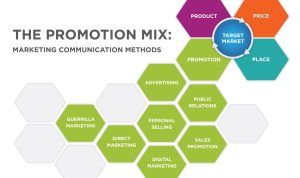
Partnering With Gyms to Sell Health Products opens up exciting avenues for businesses aiming to tap into the health-conscious market. As fitness enthusiasts flock to gyms, the potential for gyms to serve as retail partners for health products is immense. This collaboration not only enhances revenue for gyms but also allows health brands to reach a dedicated audience in a way that feels organic and supportive.
This overview will explore the various aspects of such partnerships, from benefits to implementation strategies, highlighting how both gyms and health product companies can thrive together.
In today’s fast-paced world, the importance of effective communication cannot be overstated. From personal relationships to professional environments, the ability to convey thoughts, ideas, and emotions clearly and concisely is essential. In this article, we’ll explore the various facets of communication, including its definition, types, benefits, and techniques for improvement. What is Communication?At its core, communication is the process of exchanging information, ideas, thoughts, or feelings between individuals or groups.
This exchange can occur through various means, including verbal, non-verbal, written, and visual communication. It is not just about speaking or writing; it also encompasses listening and understanding, making it a two-way street. Types of Communication
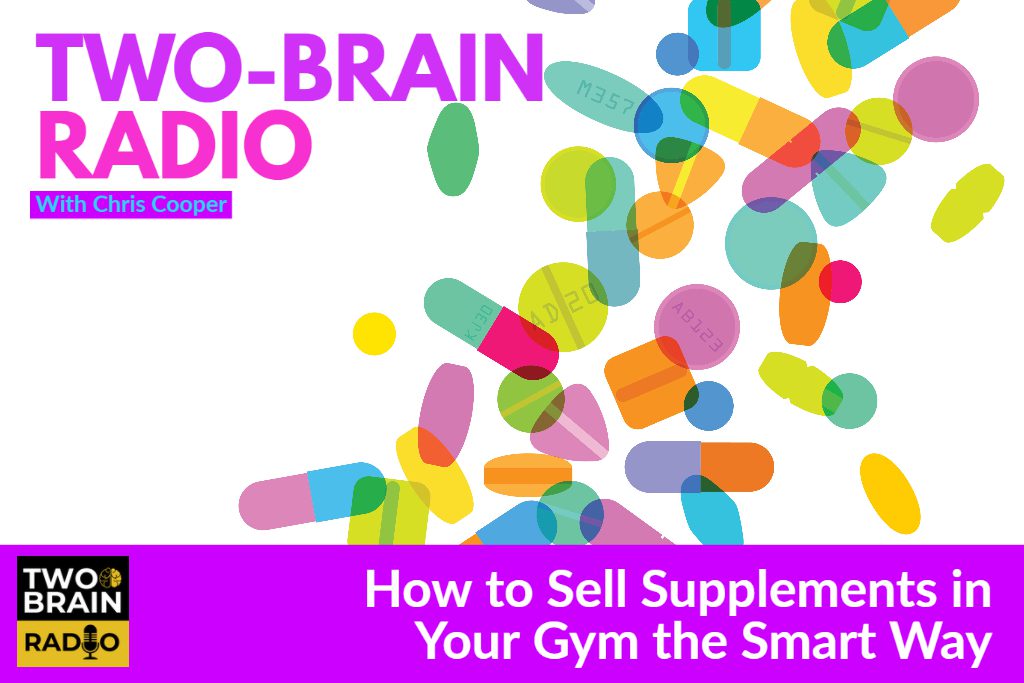
1. Verbal Communication This is perhaps the most recognized form of communication. It involves the spoken word and can take place in person, over the phone, or in video conferences. Effective verbal communication relies on clarity of speech, tone, and a strong vocabulary to ensure the message is conveyed accurately.
2. Non-Verbal Communication Sometimes, what is not said speaks louder than words. Non-verbal cues, such as body language, facial expressions, and gestures, play a significant role in how messages are interpreted. For instance, crossed arms may indicate defensiveness, while eye contact can show confidence or sincerity.
3. Written Communication This includes emails, reports, texts, and any form of communication that involves written words. Good written communication is vital in professional settings, as it provides a record of discussions and decisions. Clarity, grammar, and structure are essential components of effective written communication.
4. Visual Communication Charts, graphs, images, and videos fall into this category. Visuals can often convey complex ideas more effectively than words alone, making them a powerful tool in presentations and marketing. Benefits of Effective Communication
1. Improved Relationships Good communication fosters trust and understanding among individuals, whether in personal relationships or within a team. It allows for open dialogue and conflict resolution, leading to stronger connections.
2. Enhanced Collaboration In professional settings, effective communication encourages teamwork. When team members can articulate their thoughts and ideas clearly, they are more likely to work together harmoniously toward common goals.
3. Increased Productivity Clear communication can eliminate misunderstandings and confusion, streamlining processes and boosting overall productivity. Teams that communicate effectively can make decisions faster and execute plans more efficiently.
4. Better Problem-Solving When communication flows freely, it becomes easier to identify issues and brainstorm solutions. Teams that encourage open discussion are more likely to come up with innovative ideas and approaches. Techniques for Improving Communication Skills
1. Active Listening One of the most critical aspects of communication is listening. Practicing active listening involves fully concentrating on what the speaker is saying, rather than just waiting for your turn to speak. This means engaging with the speaker, asking clarifying questions, and reflecting on their points before responding.
2. Be Clear and Concise Whether you’re speaking or writing, aim to be as clear and concise as possible. Avoid jargon and complicated language that could confuse the audience. Use simple, straightforward language to convey your message effectively.
3. Practice Empathy Understanding the perspectives and emotions of others can greatly enhance communication. Empathy allows you to connect on a deeper level and respond to others in a way that acknowledges their feelings and viewpoints.
4. Use Open Body Language Non-verbal signals can significantly affect how your message is received. Make eye contact, use appropriate gestures, and maintain an open posture to convey confidence and openness.
5. Seek Feedback Don’t hesitate to ask for feedback on your communication style. This can provide valuable insights into how others perceive your messages and help you identify areas for improvement.
6. Embrace Technology In today’s digital age, effective communication often requires proficiency in various technologies. Familiarize yourself with tools like email, messaging apps, and video conferencing platforms to enhance your communication capabilities. ConclusionEffective communication is an essential skill that can greatly impact both personal and professional aspects of life. By understanding the different types of communication, recognizing the benefits, and implementing techniques for improvement, individuals can foster better relationships, enhance collaboration, and boost productivity.
Whether you’re looking to improve your listening skills or become a more persuasive speaker, the journey toward effective communication is ongoing and rewarding. Embrace the challenge and watch as your interactions become more meaningful and productive.
Answers to Common Questions: Partnering With Gyms To Sell Health Products
What types of health products can gyms sell?
Gyms can sell a variety of health products, including nutritional supplements, protein bars, workout gear, and fitness accessories.
How can gyms benefit financially from partnerships?
Gyms can earn commissions on sales, increase membership retention through added value, and create additional revenue streams.
What is the best way to approach a gym for partnership?
Research the gym’s clientele and needs, then present a tailored proposal that Artikels mutual benefits and potential sales strategies.
How can gyms ensure product quality when partnering with brands?
Gyms should conduct thorough research on the brands they partner with, checking for certifications, customer reviews, and product testing.
Are there any legal considerations for gyms selling health products?
Yes, gyms need to be aware of local regulations regarding product sales, liability issues, and the need for proper labeling and marketing practices.