How to Choose the Perfect Everyday Accessory opens up a world of style possibilities that can elevate your daily outfit effortlessly. Accessories are more than just adornments; they are key elements that can showcase your personality and enhance your overall look. Whether it’s a watch, bag, or jewelry, choosing the right accessory can complement your fashion choices and make a lasting impression.
Understanding the significance of accessories in fashion, along with tips for selecting the perfect piece, helps you express your unique style while ensuring practicality and comfort. In a bustling world where first impressions matter, the right accessory can be your best ally in standing out in any setting.
In today’s fast-paced world, the concept of work-life balance has become paramount for individuals across all walks of life. It’s a term that is often thrown around in discussions about career satisfaction and personal well-being, but what does it truly mean? Work-life balance refers to the equilibrium between an individual’s professional obligations and personal life. Striking this balance can lead to increased productivity, lower stress levels, and overall happiness.
However, achieving and maintaining this balance can be more challenging than it seems, especially in an era where technology often blurs the lines between work and personal time. One of the primary reasons many people struggle with work-life balance is the ever-increasing demands of modern jobs. With the rise of remote work and digital communication tools, employees can find themselves “on the clock” at all hours.
This constant connectivity can lead to longer working hours, increased stress, and, ultimately, burnout. It’s crucial for both employers and employees to acknowledge these challenges and work together to foster an environment where balance is not just encouraged but actively supported. To begin with, it’s essential to define what balance looks like for each person. Work-life balance is subjective; what works for one individual may not work for another.
For some, it might mean strict boundaries between work and home life, while for others, it could involve a more integrated approach where personal and professional responsibilities blend seamlessly. The key is self-awareness; individuals must take the time to reflect on their values, priorities, and what gives them a sense of fulfillment. One effective way to improve work-life balance is by setting clear boundaries.
This can mean establishing specific work hours and ensuring that you stick to them, even if you are working from home. Communicate these boundaries to your colleagues and supervisors, so they understand when you are available and when you need personal time. Utilizing tools such as calendar shares and status indicators can help manage expectations around your availability. Remember, it’s okay to say no to additional responsibilities if they threaten to overwhelm you.
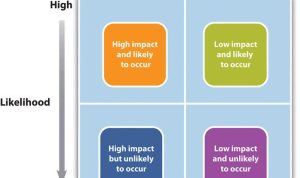
Another strategy to promote work-life balance is to prioritize time management. This includes organizing your tasks based on urgency and importance, often referred to as the Eisenhower Matrix. By categorizing tasks into four quadrants—urgent and important, important but not urgent, urgent but not important, and neither—you can focus your efforts on what truly matters. Efficient time management not only boosts productivity but also frees up valuable time for personal activities that enhance your overall quality of life.
Additionally, embracing flexibility in the workplace can significantly contribute to achieving work-life balance. Many modern companies are recognizing the importance of flexible work arrangements, whether through remote work options, adjustable hours, or compressed workweeks. Employers who offer flexibility often see higher levels of employee satisfaction and retention. For employees, taking advantage of these options can help accommodate personal commitments, whether that means attending a child’s school event or managing personal health needs.
Self-care is another critical aspect of maintaining work-life balance. It’s easy to neglect personal health and well-being in the face of work pressures, but prioritizing self-care can lead to enhanced performance and resilience. Activities such as regular exercise, healthy eating, and sufficient sleep are foundational elements that support both mental and physical health. Furthermore, engaging in hobbies and social activities outside of work can provide necessary mental breaks and enrich your personal life, making you more effective during work hours.
Mindfulness and stress management techniques, such as meditation, yoga, or deep-breathing exercises, can also play a vital role in achieving balance. These practices can help you stay grounded and focused, enabling you to handle work demands more effectively without becoming overwhelmed. Regularly taking time for reflection and gratitude can shift your mindset and improve your overall outlook on life.
Moreover, having a strong support system is invaluable. Having friends, family, or colleagues to lean on can make it easier to navigate the complexities of balancing work and personal life. Sharing experiences and strategies with others can provide fresh perspectives and solutions that you might not have considered. It’s also essential for employers to cultivate a culture of support within their teams, where open communication and mutual respect are prioritized.
One practical approach for companies looking to enhance their employees’ work-life balance is to implement wellness programs. These can include initiatives such as fitness challenges, mental health days, or workshops on stress management and resilience. By investing in their employees’ well-being, organizations not only promote a healthier workforce but also gain loyalty, lower turnover rates, and increased productivity.
Technology can be both a friend and foe in the quest for work-life balance. While digital tools can facilitate better communication and collaboration, they can also lead to distractions and an “always-on” mentality. To manage this, it can be helpful to designate specific times for checking emails and messages rather than allowing them to interrupt your day continuously.
Creating tech-free zones or periods, such as during family dinners or personal downtime, can also help maintain boundaries. Finally, it’s crucial to recognize that achieving work-life balance is an ongoing process rather than a one-time goal. Life is dynamic, and circumstances can shift due to changes in personal or professional situations. Regularly reassessing your priorities, setting new goals, and adjusting your strategies is important to ensure that you remain aligned with your values and needs.
In conclusion, work-life balance is an essential aspect of modern life that requires intentional effort and commitment. By setting boundaries, managing time effectively, embracing flexibility, prioritizing self-care, and seeking support, individuals can create an environment that nurtures both professional success and personal fulfillment. For employers, fostering a culture that values work-life balance can lead to a more motivated and engaged workforce.
As we continue to navigate the complexities of our lives, let us strive for a balance that enriches our experiences and enhances our overall well-being.
Clarifying Questions: How To Choose The Perfect Everyday Accessory
What are some essential everyday accessories?
Essential everyday accessories include watches, handbags, sunglasses, and simple jewelry.
How do I know what accessory suits my outfit?
Select accessories that complement your outfit’s color and style, aiming for balance and harmony.

Can I mix different styles of accessories?
Yes, mixing styles can create a unique look, but aim for a cohesive theme to avoid clashing.
Are there accessories that are universally flattering?
Classic pieces like a simple watch or stud earrings tend to suit most styles and occasions.
How often should I switch my everyday accessories?
Switching accessories regularly keeps your look fresh and can adapt to changing trends or occasions.