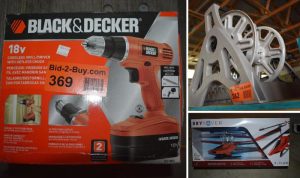
Selling Hardware Accessories for Core Products opens up a vibrant world where innovation meets practicality. In today’s tech-driven landscape, the right accessories can enhance functionality and user experience, making it essential for businesses to understand how to effectively market and sell these items. With the right strategy, you can tap into a market that values both quality and compatibility, ensuring that your core products shine even brighter.
This exploration delves into the significance of hardware accessories, the various types available, and how they can complement core products in diverse industries. From understanding customer needs to creating compelling marketing strategies, selling hardware accessories not only elevates your product offerings but also fosters customer loyalty and satisfaction.
In today’s fast-paced digital landscape, creating unique and engaging content is more important than ever. With the vast amount of information available online, it’s crucial for writers to develop articles that not only grab the reader’s attention but also provide valuable insights. In this article, we will explore effective strategies for crafting unique and consistent articles, focusing on the importance of clarity, originality, and thorough research.
Understanding Your AudienceBefore diving into writing, it’s vital to understand who your audience is. Knowing your readers’ preferences, interests, and pain points will help you tailor your content to meet their needs. Start by developing reader personas that Artikel the characteristics of your target audience. Consider factors such as age, profession, geographic location, and interests.Engaging with your audience through comments, social media, or surveys can also provide valuable feedback.
This interaction helps refine your content strategy and ensures that your articles resonate with your readers. The more you know about your audience, the more effectively you can communicate with them. Choosing the Right TopicSelecting a relevant topic is crucial for developing a unique article. Look for trending subjects within your niche or explore common questions and concerns among your audience. Tools like Google Trends, BuzzSumo, and Answer the Public can help identify popular topics and s that people are searching for.Consider incorporating a unique angle or perspective on the topic.
Instead of rehashing well-trodden ideas, aim to provide fresh insights or solutions. This approach not only showcases your expertise but also sets your content apart from the competition. Conducting Thorough ResearchOnce you have your topic, it’s time to conduct thorough research. Reliable information is the foundation of any good article. Utilize reputable sources, such as academic journals, industry reports, and expert interviews, to gather data and insights.
Be sure to take notes and organize your findings to ensure a smooth writing process.When including statistics or quotes from other sources, always cite them properly to maintain credibility. Not only does this establish trust with your readers, but it also helps avoid plagiarism. Originality is key, so strive to present the information in your voice while giving credit where it’s due.
Creating a Compelling ArtikelA well-structured Artikel is essential for maintaining consistency and coherence throughout your article. Start by organizing your main ideas into sections and subsections. This framework will guide your writing and ensure that you cover all necessary points.Typically, an Artikel includes the following components:
1. Introduction
Introduce the topic and highlight its significance.
2. Main Body
Divide the body into sections that explore different aspects of the topic. Use headings and subheadings to break down content into digestible parts.
3. Conclusion
Summarize key points and provide a call-to-action or final thoughts for the reader.By following this structure, you create a logical flow that enhances reader engagement. Writing with Clarity and EngagementWhen it comes to the writing process, clarity is paramount. Use straightforward language and avoid jargon unless it’s necessary for your audience. Short sentences and paragraphs make your content easier to read and digest.
Aim for a conversational tone that invites readers to connect with your words.Incorporate storytelling techniques to enhance engagement. Personal anecdotes, case studies, or hypothetical scenarios can breathe life into your writing. This approach not only captures attention but also aids in illustrating your points effectively. Utilizing Visuals and FormattingVisual elements can greatly enhance the appeal of your articles. Consider using images, infographics, videos, or charts to complement your written content.
Visuals help break up text and provide additional context, making complex information more accessible.Additionally, pay attention to formatting. Use bullet points, numbered lists, and bold text for emphasis. Proper formatting ensures that your article is scannable, allowing readers to quickly find the information they need. Remember, a well-structured piece is not only aesthetically pleasing but also improves the overall reading experience.
Editing and Refining Your WorkOnce your article is complete, take the time to edit and refine it. Read through your piece multiple times, checking for grammar, punctuation, and spelling errors. Tools like Grammarly or Hemingway can assist with this process, but it’s also beneficial to review your work manually.Consider seeking feedback from peers or colleagues. A fresh set of eyes can catch issues you might have overlooked and provide constructive criticism.
After making revisions, ensure that your article aligns with your initial Artikel and maintains a consistent tone and style. Optimizing for In the digital age, optimizing your content for search engines is essential for visibility. Conduct research to identify relevant terms that your audience is searching for. Incorporate these s naturally throughout your article, particularly in the title, headings, and meta description.However, avoid stuffing, as this can harm your article’s readability and ranking.
Focus on creating valuable content that satisfies both readers and search engines. Additionally, consider including internal and external links to enhance your article’s credibility and provide further reading opportunities. Promoting Your ContentAfter publishing your article, it’s time to promote it. Share your work across social media platforms, newsletters, and relevant online communities. Engaging with your audience through comments and discussions can also help increase visibility.Consider collaborating with influencers or other content creators within your niche.
Guest posting and backlinking can expand your reach and drive traffic to your article. The more exposure your content receives, the greater the likelihood of attracting new readers. Measuring Success and LearningFinally, track the performance of your article using analytics tools. Metrics such as page views, time spent on page, and social shares provide valuable insights into what resonates with your audience. Use this data to inform your future content strategy and continuously improve your writing.Remember, creating unique and consistent articles is a learning process.
Embrace feedback and stay adaptable in an ever-changing digital landscape. With practice and dedication, you can hone your skills and become a proficient content creator.In conclusion, writing unique and engaging articles is an art that requires a blend of research, creativity, and strategy. By understanding your audience, choosing compelling topics, and presenting clear and valuable information, you can create content that stands out in the crowded online space.
So, gear up, put pen to paper (or fingers to keyboard), and let your creativity flow!
Question & Answer Hub: Selling Hardware Accessories For Core Products
What are hardware accessories?
Hardware accessories are supplementary products designed to enhance or complement core technology items, improving functionality or user experience.
How do I choose the right accessories for my products?
Consider compatibility, customer needs, and the specific features that will enhance the core product’s usability.

What marketing strategies work best for selling accessories?
Utilize targeted advertising, social media engagement, and informative content that highlights the benefits of the accessories in relation to the core products.
Are there specific trends in hardware accessories right now?
Yes, trends include eco-friendly materials, smart technology integration, and customizable options that cater to individual user preferences.
How can I ensure the quality of my hardware accessories?
Implement rigorous testing, seek customer feedback, and adhere to industry standards to maintain high quality in your product offerings.