Jewellery Marketplaces That Deliver High Conversions are rapidly changing the landscape of online shopping, offering consumers a plethora of options that blend quality with convenience. These platforms not only showcase exquisite pieces but also employ strategies that enhance user experience, ultimately driving sales. As more shoppers turn to digital solutions for their jewellery needs, understanding which marketplaces yield the best results becomes essential.
With a variety of platforms available, each with unique features and advantages, it’s crucial to recognize those that stand out in terms of user engagement and conversion rates. From innovative technologies to targeted marketing strategies, these marketplaces cater not just to the aesthetic desires of consumers but also to their practical needs, ensuring a satisfying shopping experience.
In today’s fast-paced world, where technology and society are constantly evolving, the importance of effective communication cannot be overstated. Whether it’s in a professional setting, within personal relationships, or even in casual encounters, the way we express ourselves plays a significant role in how we interact with others. In this article, we will explore the nuances of effective communication, its key components, and the skills one can develop to enhance their communicative abilities.### Understanding Effective CommunicationEffective communication goes beyond just exchanging information.

It involves a shared understanding between the sender and the receiver. This means that the message conveyed must not only be clear and concise but also understood in the manner intended. Miscommunication can lead to misunderstandings, conflicts, and even escalate into larger issues. At its core, effective communication consists of several components, including verbal and nonverbal communication, active listening, empathy, and clarity.
Each of these elements plays a crucial role in ensuring that messages are successfully transmitted and received.### The Role of Verbal CommunicationVerbal communication is perhaps the most recognizable form of communication. It encompasses the words we choose, our tone of voice, and our speech patterns. The power of words should never be underestimated; the right words can inspire, motivate, and influence others, while the wrong words can hurt or alienate.When engaging in verbal communication, it’s important to be mindful of the following aspects:
1. Clarity
Use simple and straightforward language. Avoid jargon unless it’s universally understood by your audience.
2. Tone
Your tone can significantly affect how your message is received. A friendly, approachable tone invites open dialogue, while a harsh tone can shut down communication.
3. Pace
Speaking too quickly can lead to misunderstandings, while speaking too slowly may cause your audience to lose interest. ### The Power of Nonverbal CommunicationNonverbal communication includes body language, facial expressions, eye contact, and even the physical distance between communicators. Research suggests that a large portion of our communication is nonverbal, making it essential to be aware of these signals.
1. Body Language
Open body language—such as uncrossed arms and leaning slightly forward—can signal receptiveness and engagement, while closed body language may indicate defensiveness or discomfort.
2. Facial Expressions
A smile can convey friendliness and warmth, while a frown can express disapproval or confusion. Be aware of how your facial expressions align with your words.
3. Eye Contact
Maintaining appropriate eye contact shows attentiveness and confidence. However, too much eye contact can be perceived as aggressive, while too little can signal disinterest.### Active ListeningListening is often an overlooked aspect of communication. Many people think that communication is primarily about speaking, but listening is equally crucial. Active listening involves fully concentrating on what the other person is saying without formulating your response while they are still speaking.To practice active listening:
1. Give Full Attention
Put away distractions, such as your phone or computer, and focus entirely on the speaker.
2. Reflect Back
Paraphrase what the speaker has said to ensure understanding and to show that you are engaged.
3. Ask Clarifying Questions
If something is unclear, don’t hesitate to ask questions. This demonstrates your interest and commitment to understanding the message.### Empathy in CommunicationEmpathy is the ability to understand and share the feelings of another person. It’s a vital component of effective communication as it fosters connection and trust. When you approach conversations with empathy, you affirm the other person’s emotions and experiences, creating a safe space for open dialogue.To cultivate empathy:
1. Put Yourself in Their Shoes
Consider how you would feel in the other person’s situation.
2. Validate Their Feelings
Acknowledge their emotions without judgment. Phrases like “I can see why you would feel that way” can go a long way.
3. Respond with Compassion
When replying, be supportive and understanding, even if you don’t necessarily agree with their perspective.### Clarity and ConcisenessIn a world filled with information overload, clarity and conciseness are paramount. When conveying a message, it’s important to be direct and to the point. This reduces the likelihood of miscommunication and ensures that your audience understands your intent.
1. Organize Your Thoughts
Before communicating, take a moment to organize your ideas. This will help you present your message clearly.
2. Avoid Over-Explaining
While context is often necessary, providing too much information can lead to confusion. Stick to the main points.
3. Use Simple Language
Complex vocabulary and convoluted sentences can alienate your audience. Aim for simplicity and clarity.### The Impact of Digital CommunicationWith the rise of technology, digital communication has become the norm in both personal and professional settings. Emails, texts, and social media platforms have transformed the way we interact. However, this shift also presents unique challenges.
1. Tone Interpretation
Without vocal tone or body language, interpreting tone in written form can be challenging. Be mindful of how your words may come across.
2. Response Time
In digital communication, the expectation for quick responses can lead to miscommunication. It’s important to set realistic expectations regarding reply times.
3. Emojis and GIFs
When used appropriately, emojis and GIFs can enhance the emotional tone of a message. However, they should be used sparingly and appropriately based on the context.### The Importance of FeedbackFeedback is an essential element of effective communication. It helps clarify misunderstandings, reinforces positive behaviors, and encourages growth and improvement. Providing constructive feedback requires tact and sensitivity.
1. Be Specific
Instead of vague statements, provide clear examples of what was done well or what could be improved. Focus on the Behavior, Not the Person: Make sure that your feedback addresses the actions rather than personal attributes to avoid defensiveness.
3. Encourage Dialogue
Allow the recipient to share their perspective and ask questions. This two-way communication fosters a more productive discussion.### Continuous ImprovementEffective communication is a skill that requires ongoing practice and refinement. To continue improving your communication abilities, consider the following tips:
1. Seek Feedback
Don’t be afraid to ask for feedback on your communication style from trusted friends or colleagues.
2. Practice Active Listening
Make a conscious effort to practice active listening in all your interactions.
3. Observe Others
Learn from effective communicators. Pay attention to how they convey their messages and connect with their audience.
4. Read Widely
Reading books, articles, and essays can expose you to different communication styles and enhance your vocabulary.
5. Engage in Conversations
The best way to improve is through practice. Engage in conversations with people from various backgrounds and perspectives.### ConclusionIn conclusion, effective communication is a multifaceted skill that plays a crucial role in our daily lives. By understanding and mastering the components of verbal and nonverbal communication, active listening, empathy, and clarity, we can enhance our ability to connect with others.
In this ever-evolving landscape of communication, continuous improvement and adaptability are key. As we strive to better our communication skills, we not only enrich our personal and professional relationships but also contribute to a more understanding and collaborative world.
Frequently Asked Questions: Jewellery Marketplaces That Deliver High Conversions
What defines a high-converting jewellery marketplace?
A high-converting jewellery marketplace is characterized by a user-friendly interface, effective marketing strategies, and high-quality product offerings that meet consumer demands.
How can I improve conversions on my jewellery marketplace?
Improving conversions can be achieved through optimizing website design, enhancing product descriptions, utilizing customer reviews, and implementing targeted advertising campaigns.
What role does customer service play in conversion rates?
Excellent customer service builds trust and satisfaction, encouraging repeat purchases and positive word-of-mouth, which are vital for increasing conversion rates.
Are there specific marketing strategies that work best for jewellery marketplaces?
Utilizing social media marketing, influencer partnerships, and email campaigns tailored to customer preferences can significantly enhance visibility and conversion rates for jewellery marketplaces.
What trends should jewellery marketplaces be aware of?
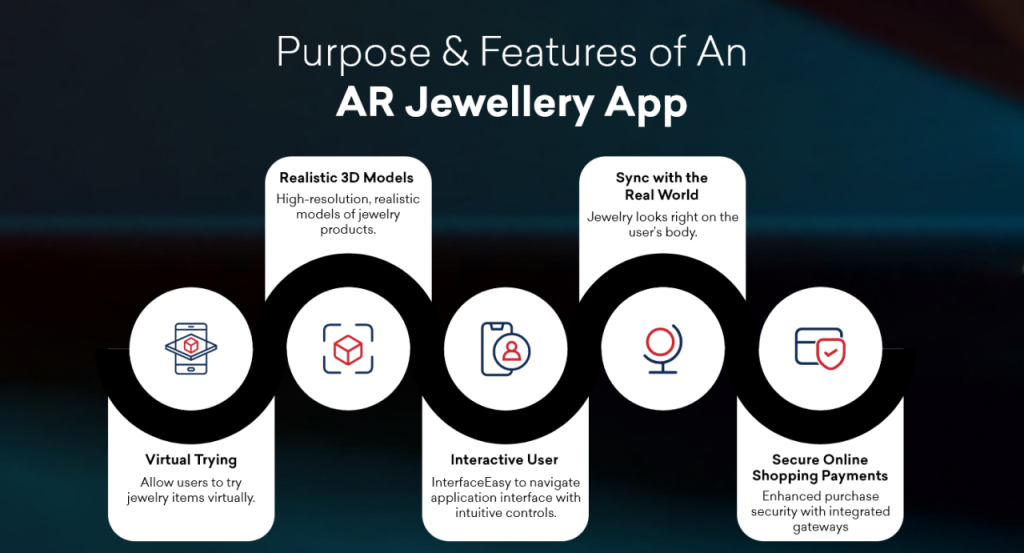
Key trends include the rise of sustainable and ethically sourced products, the incorporation of augmented reality for virtual try-ons, and the growing importance of personalized shopping experiences.